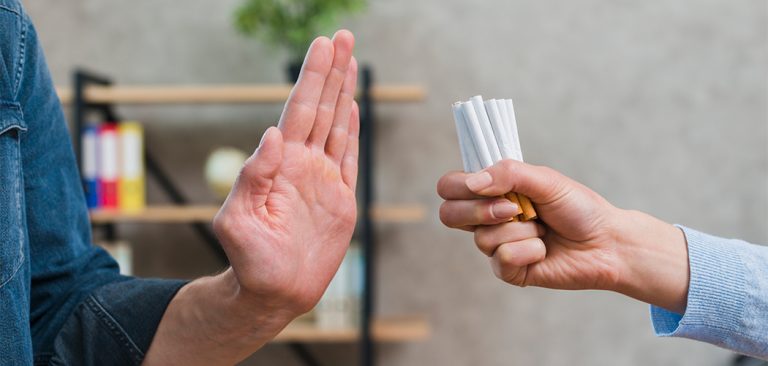
Quitting smoking can feel simple in the morning and almost impossible by lunch. A person may promise, “Today is the day,” then stress hits, coffee starts, or a break comes around. Northeast Hypnosis offers hypnosis and hypnotherapy for old habits, stress, addiction, focus, and lasting change. This blog explains how to quit smoking with steps that make sense in daily life. It also shows where support, planning, and habit work can help someone stay with the choice.
Start Before The Quit Date
A quit date helps, but the days leading up to it matter, too. Do not wait until the night before to think about the plan. Start changing small parts of the habit early. Move cigarettes out of reach. Delay the first smoke by ten minutes. Change where breaks happen. That is why people can want to quit smoking and still reach for one without thinking. These small moves teach the mind that the routine can bend. That makes quitting day feel less sudden. This is a useful part of any quit smoking step-by-step guide because it turns a large goal into smaller actions. Also, tell one trusted person about the quit date. The goal is not to create pressure. The goal is to have someone who knows what the week may feel like.
What Usually Triggers The Urge
Every smoker has different trigger points, yet many are easy to miss. Some people smoke when they feel stressed. Others smoke when they feel too calm or bored. Some do it during certain tasks because the body has learned the order.
- Coffee, alcohol, or long drives can wake up old cues.
- Stress can make a cigarette feel like a quick pause.
- Breaks at work can feel empty without smoking.
- Friends who smoke can make the choice harder.
- After meals, the body may expect the same old ending.
Because triggers occur in normal life, a plan must fit into normal life. It cannot only work on a quiet day at home.
Support Can Change The Whole Plan
Many people try to quit alone because they feel they should be able to do it. That can make the process feel lonely. Support does not remove the work, but it can make the work easier to keep. Northeast Hypnosis offers hypnosis/hypnotherapy and life coach consulting for people working through habits, addiction, stress, self-doubt, and personal change. That matters because smoking often lives in those same places. Some people need help slowing their minds. This is where how to stop cravings for cigarettes becomes very practical. Others need clearer steps. Some need both. The service also notes customized hypnosis sessions, a free consultation, 15 years of experience, and five hypnosis modalities. These are simple smoking cessation tips, yet they work best when chosen before the craving hits. A person should not build the plan while the urge is already at full volume.
Quitting Without Medication
Some people want to know how to quit smoking without medication because they want to work on the habit side first. Others may have health reasons to avoid certain options. This can be done, but it still needs structure. A person may use hypnosis, coaching, counseling, exercise, breathing tools, and trigger control. Many people also search for a way to quit smoking naturally when they want a plan that does not start with medicine. Natural does not mean easy. It means the plan relies more on behavior, support, and daily choices. Sleep matters. Food matters. Stress matters too. If the plan ignores those things, cravings can find the weak spots fast. So, build the day around fewer triggers and more support.
Daily Changes That Make Quitting Less Fragile
A quit plan can break when life gets messy. So it helps to build a day that is not packed with avoidable stress. This does not mean changing everything. It means adding small supports in places where smoking used to fit. They are part of the smoking addiction recovery process. Learning how to reduce nicotine addiction starts with making nicotine less connected to every part of the day. Little by little, the brain stops expecting it in the same places.
- Eat regular meals so hunger does not feel like a craving.
- Keep water in the car, at work, and near the bed.
- Take short walks when stress starts to build.
- Avoid smoking areas during the first hard weeks.
- Keep your hands busy during phone calls or breaks.
These lifestyle changes to quit smoking are not dramatic. However, they make cravings less likely to take over the whole day. They also support ways to quit smoking successfully because they protect the plan from common weak spots.
Smoking, Vaping, And Other Tobacco Habits
Some people stop smoking cigarettes but keep vaping. Others still use dip, chew, or another tobacco product. The mind may call that progress, and sometimes it is. However, nicotine can keep the habit loop alive. That is why quit smoking & vaping and quit smoking and tobacco use should be handled with a full plan. A person who needs to quit smokeless tobacco may face different routines, but the same idea applies. Find the cues. Replace the action. Get support. Track slips without shame. Also, learn how to stop smoking cigarettes in a way that does not simply move the nicotine to another form. A clean break may take time, but the plan should keep moving toward freedom from nicotine.
Choosing What Help To Use
People ask about the best methods to quit smoking, but no single method fits everyone. The CDC notes that quitlines, online resources, texting programs, and medicines can all help. It also lists nicotine replacement options, such as patches, gum, and lozenges. The FDA says approved smoking cessation products can help people quit, and they may even double the chance of success. Still, some people want help with focus, habits, and stress patterns too. That is where hypnosis and coaching may fit. The right method should match the person’s life, not just the word “smoker.” A person who wants to know how to overcome smoking addiction may need more than willpower. Support can make the hard parts less isolating.
What Gets Better After Quitting
The health benefits of quitting smoking are a strong reason to keep going. The CDC says quitting improves health and lowers the risk of early death and many serious diseases. The American Lung Association also notes that the body begins repair soon after a person stops smoking. These benefits matter, but smaller daily changes matter too. Food may taste better. Breath may feel cleaner. Clothes may smell fresher. Stairs may feel less annoying over time. Money also stops disappearing into packs. Those wins help during rough days. Still, quitting is not about feeling great every hour. It is about choosing the next smoke-free hour until the day feels lighter.
When A Slip Happens
A slip is not the same as going back. One cigarette can feel discouraging, but the next choice still matters. Throw the rest away. Look at what happened. Was it stress, alcohol, anger, a person, or a place? Then change that part of the plan. People who stop smoking permanently often learn from slips instead of hiding them. This is where shame gets in the way. Northeast Hypnosis supports people who want help with old habits, addiction, stress, focus, and personal growth. With the right help, how to quit smoking becomes less about one perfect attempt and more about steady change.
Your Next Smoke-Free Step
Quitting smoking is hard because smoking becomes tied to the body, the mind, and the day’s routine. Still, people can change those ties. Start with a real quit date. Learn the triggers. Make a craving plan. Change the places where cigarettes used to fit. Also, ask for support before the hardest week arrives. Some people use medicine, quitlines, or nicotine replacement. Others add hypnosis or coaching because the habit has a strong mental pull. Northeast Hypnosis offers hypnosis/hypnotherapy and life coach consulting for people who want support with habits, addiction, stress, confidence, and lasting change. If how to quit smoking has felt confusing before, begin with one clear action today. Move one trigger out of reach, then take the next smoke-free step.
FAQs
How can I quit smoking successfully?
You can quit smoking successfully by making a plan before quitting day. Track triggers, choose a quit date, remove cigarettes, and plan what to do during cravings. Support also helps. Many people use quitlines, coaching, hypnosis, medicine, or nicotine replacement to stay with the process.
What is the easiest way to stop smoking?
There is no easiest way for everyone. The best plan depends on your health, triggers, daily routine, and support needs. Some people use nicotine replacement or medicine. Others use coaching, hypnosis, counseling, or quitlines. A plan works better when it fits real life.
What are the symptoms of quitting smoking?
Quitting smoking can cause cravings, hunger, mood changes, poor sleep, headaches, and restlessness. Some people also feel tired or tense. These symptoms occur because the body is adjusting to lower nicotine levels. They often improve with time, planning, support, water, movement, and steady meals.
Can I quit smoking without medication?
Yes, some people quit without medication. They may use hypnosis, coaching, counseling, habit tracking, breathing tools, movement, and strong support. However, quitting without medicine still needs planning. If cravings feel too strong, a doctor can explain safe options that may make quitting easier.
Why is it so hard to stop smoking?
It is hard to stop smoking because nicotine affects the brain and daily habits. The body may crave nicotine, while routines trigger the action. Coffee, stress, meals, driving, or friends can all trigger urges. Quitting works better when both cravings and habits are addressed.
What are the best methods to quit smoking?
The best methods often include planning, support, and craving control. Many people use quitlines, counseling, nicotine replacement, prescription medicine, hypnosis, or coaching. Some combine methods. The right choice depends on your health, smoking pattern, goals, and what kind of support you will use.
How do I control cigarette cravings?
Control cravings by delaying the choice for ten minutes. Drink water, breathe slowly, walk, chew gum, or text someone who knows your plan. Also, leave the place that triggered the urge. Cravings usually pass, so the goal is to stay busy until they drop.
What happens to your body after quitting smoking?
Your body starts to repair after your last cigarette. Heart rate and blood pressure can improve early. Over time, quitting lowers the risk of heart disease, lung disease, cancer, and early death. Taste, smell, breath, energy, and savings on money may also improve.
Does quitting smoking improve health quickly?
Yes, some health changes can start quickly. Heart rate may improve soon after quitting. Carbon monoxide levels can also drop. Bigger gains take longer, but each smoke-free day helps the body recover. Quitting at any age can support better health and quality of life.
Is nicotine replacement therapy effective?
Nicotine replacement therapy can help many people quit. It gives controlled nicotine without cigarette smoke, which may reduce cravings and withdrawal. Options include patches, gum, lozenges, inhalers, and nasal spray. Ask a health professional which option fits your needs and health history.